Seeking the Truth About Refugees
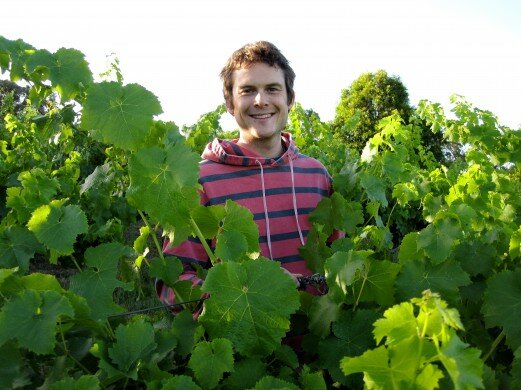
I guess a lot of people in the film business want to have Hollywood careers or be based overseas, but I would rather stay in Australia and tell Australian stories for local audiences.
I’ve always had an interest in documentaries because I find real life stories both entertaining and enlightening. So I was shocked to realise how misinformed I had been about the real horrors facing asylum seekers before starting work on the documentary, ‘Between the Devil and the Deep Blue Sea’.
I came to understand the desperation required for people to risk their lives to come to Australia. I also saw the dehumanising process that takes place in this quest for freedom – including the need to relinquish their identities. It was fortunate I was able to use my love of documentaries and my growing advocacy aspirations to make a difference in the public debate around seeking asylum in Australia.
The film’s director, Dave Schmidt, had already shot and compiled footage completed after a trip to Indonesia. But he needed a little help crafting a narrative to tell the story in its purest form. I hadn’t formed strong opinions on the subject until that point, so the footage was eye-opening to say the least. It was my own journey that dictated the crafting of the film. I wanted to show my process of enlightenment. I felt a strong urge to share my revelations with others about what I had learnt through working with passionate advocates.
I realised that asylum seekers fully understand it is as dangerous to get onto old boats as Australian’s perceive it to be, but it remains their only option in most cases.
Growing up in Healesville, one hour north-east of Lilydale in the Yarra Valley, I had limited exposure to information around asylum seekers. I was sheltered from the true reality, as many Australians are.
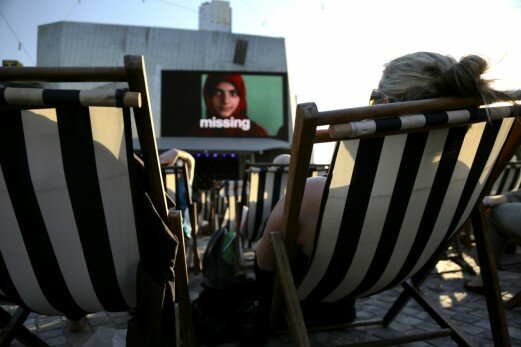
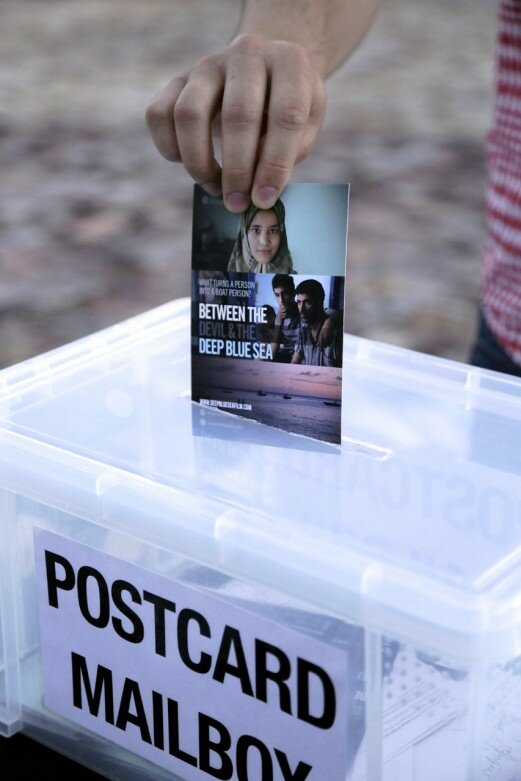
The nation-wide screening tour of the film has allowed people to have a first-hand look into personal stories. We were fortunate to have the film screened at places like Melbourne’s Federation Square during the tour, which has further raised the profile of the issue. All Aussies need to go through the learning process that I went through – to see asylum seekers as humans, rather than a number or a nuisance. Until now, most of the media and politicians haven’t given people an opportunity to see the real struggle that exists.
Although I didn’t get to tour with the film, I received some touching emails from audience members. The film had opened peoples’ eyes to the true reality. We forged our own path through crowd-funding. This meant we were free to speak directly to our audience, and enabled us to find new audiences through word-of-mouth. Like most advocacy, such as work around global poverty, the challenge is always to get a wider audience. It’s about finding ways to change the hearts and minds of those who are antagonistic or haven’t yet connected the dots. You can only do this through engaging the audience. You can’t talk down to them, you have to talk with them.
Our documentary contributes to our multicultural milieu. My father immigrated from Germany after World War II, so there is that family connection with leaving your home country to start a new life in Australia. Historically there is antagonism to new cultures coming to this country, but that antagonism changes over time.
Films like this will continue to break down the stigma around asylum seekers by highlighting the truth and cutting through media and political narratives used to control the arguments around the issue.