Chiltern – The Golden Era.
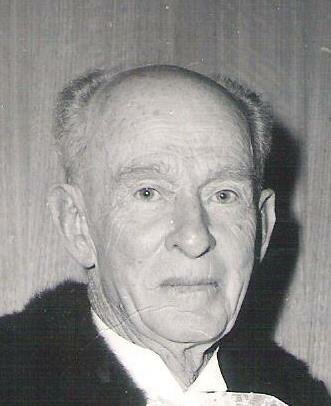
The following is an excerpt from the unpublished works of Mr W.J.(Bill) Findlay.
At the time of writing, Bill was 79 years of age, having been born in Chiltern in 1902 – the year after Federation. He was a well known historian and author in the North East with many books both historical and sporting published. Bill was a former Mayor of the regional city of Wangaratta and served that city as a Councillor for many years.
HIS STORY.
This story should in no way be regarded as history, but merely an attempt to give those people interested, a clearer picture of the birth, growth and way of life of one of the rich Victorian gold mining centres of the 1800’s. The story of the pioneering days has been carefully reconstructed from tales, both verbal and written which have been passed along the line from generation to generation.
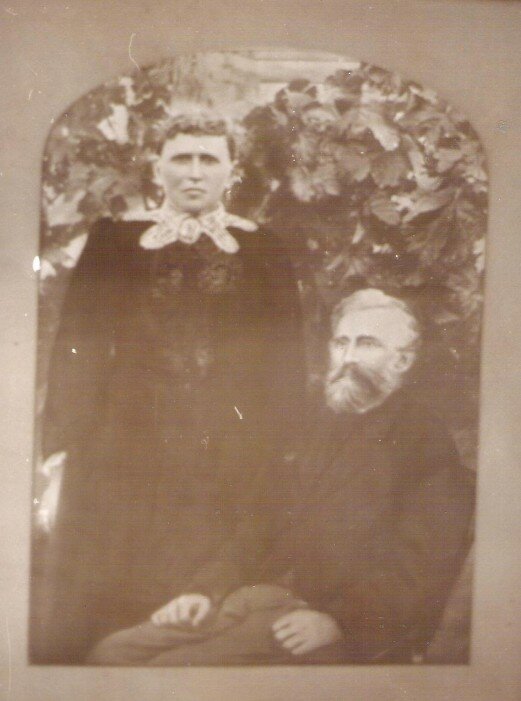
My Grandparents, Thomas Gardiner Findlay and his wife Mary, first settled in the small North Eastern town of Chiltern about the same time as the gold discovery, acting like a magnet, drew thousands of seekers to the site.
Chiltern lies in a peaceful valley flanked by granite hills to the south and ironstone ridges to the north, with the gold bearing bar guarding the eastern approach. During the early part of the 19th century, settlers arrived opening up fertile land which had for so long remained undisturbed. Transfer of land to settlers, lease and grass right holders began and the larger tracks became known as ‘runs’. The naming of Ulina, Lilliput, Eldorado, Bowmans and other North Eastern holdings began as they were gradually transferred from Crown to private ownership.
In the year 1838, John Dillon was granted a licence to sell ales, wines and spirituous liquors at his Black Dog Creek Hotel. This was situated a stage stop on the Sydney/Melbourne mail route – the only licence between Yass and Melbourne.
The name Black Dog Creek was created after three overlanders had pitched their tents on the banks of Chiltern’s only waterway – shortly after Major Mitchell passed through the area. One of them, Hawdon by name, shot a black dog or dingo and from that day onwards the stream has been known as Black Dog Creek.
In 1858 the “bush telegraph” spread the word that Mr Conness had found payable gold at New Ballarat. The original surveyors map shows street names the same today as they were one hundred and fifty years ago.
The township was built on the New Ballarat site and the name changed to Chiltern – a constant reminder to ‘new comers’ of the Chiltern Hills of England.
Of those early settlers many came out cost free as guests of Her Majesty. Some were the ‘wandering type’ seeking adventure and gold, others from Ireland, China, India and still more were born and bred in England’s mining county of Cornwall. They were everything good miners should be and quickly showed they had brought their ‘know how’ with them.
The naming of Cornishtown, an area of land between Chiltern and Rutherglen, was a lasting way of saying thankyou.
Doma Mungi, Durham and Indigo are all settlements also surveyed in those early days. It is uncertain how nearby Christmas Town got its name, perhaps again it was a reminder of the Christmas Hills of the mother country.
The fabulously wealthy Golden Bar was an ironstone, quartz studded ridge of gold bearing veins running north/south one mile east of the township of Chiltern. The leeds from this reef run west,they include the New Ballarat, Chiltern Valley, Indigo, Union, Durham, Devon, Scotchman’s, Suffolk, Norfolk, Kincardinshire, Barrambogie, Skeleton and the Nil Desperandum whose overburden forms the mound at Chiltern Park and is reported to have returned the sum of two hundred and fifty thousand pounds when gold was four pounds two and sixpence per ounce.
While the township of Chiltern now nestles quietly back in its peaceful valley, it is not hard to imagine its past so deeply steeped in history.
Of interest are many buildings of that era still standing today. The Athenaeum built in 1866, a former town hall, now houses relics from the past including paintings by A.W Eustace a great Australian artist. A special section is devoted to the life of John (Black Jack) McEwan. He was born in the township of Chiltern in 1900, the year prior to Federation, and progressed to hold the highest political office in the land, that of Prime Minister. The Federal Standard newspaper office was built in 1860, the Star Hotel in 1866 and Lake View, the historic home of the author Henry Handel Richardson and her father Dr Mahoney, built in 1870, still stands in its original setting on the banks of Lake Anderson.
Main Street Chiltern is the site of the Federal Standard office, the Star Theatre, the Post Office, Police Station, Court House and the towns oldest building the Oddfellows Hall. It was called Main Street because it is the direct route to the old historic township of Beechworth, fifteen miles to the south.
As one would expect, Chiltern’s other thoroughfare was named Conness Street in honour of the man who discovered gold at the head of the Indigo leed in what was then known as New Ballarat.
People of today may wonder why this narrow street winds its way along anything other than a straight course, but the folk of old say it followed the tracks made by the drays carrying quartz to the battery, wash to the puddlers and wood to the mines.
Personally I think that the route taken lends charm to the once thriving town which still gracefully portrays much of the rustic look of bygone days.
W.J. F December 1981